Table of Contents
Introduction: Why Natural Pest Control Matters in 2025
Biological Control: Using Nature’s Own Defenses
Cultural Practices: Smart Farming for Pest Prevention
Mechanical & Physical Control: Non-Chemical Pest Barriers
Botanical Pesticides: Plant-Based Protection
Modern Sustainable Technologies: AI, Drones & RNAi
Comparative Table of 5 Pest Control Methods
How Farmonaut Supports Sustainable Pest Management
FAQ
Conclusion: Building a Resilient, Eco-Friendly Future
Introduction: Why Natural Pest Control Matters in 2025
By 2025, over 60% of farms are expected to adopt natural pest control methods like beneficial insects, microbial biopesticides, and habitat management. Rising pest resistance, environmental regulations, and consumer demand for chemical-free food are pushing agriculture toward eco-friendly, sustainable solutions.
Natural pest management improves yields, safeguards biodiversity, and protects farmers’ livelihoods. This guide explores the top 5 methods shaping agriculture in 2025, along with how modern technology is making them more precise and profitable.
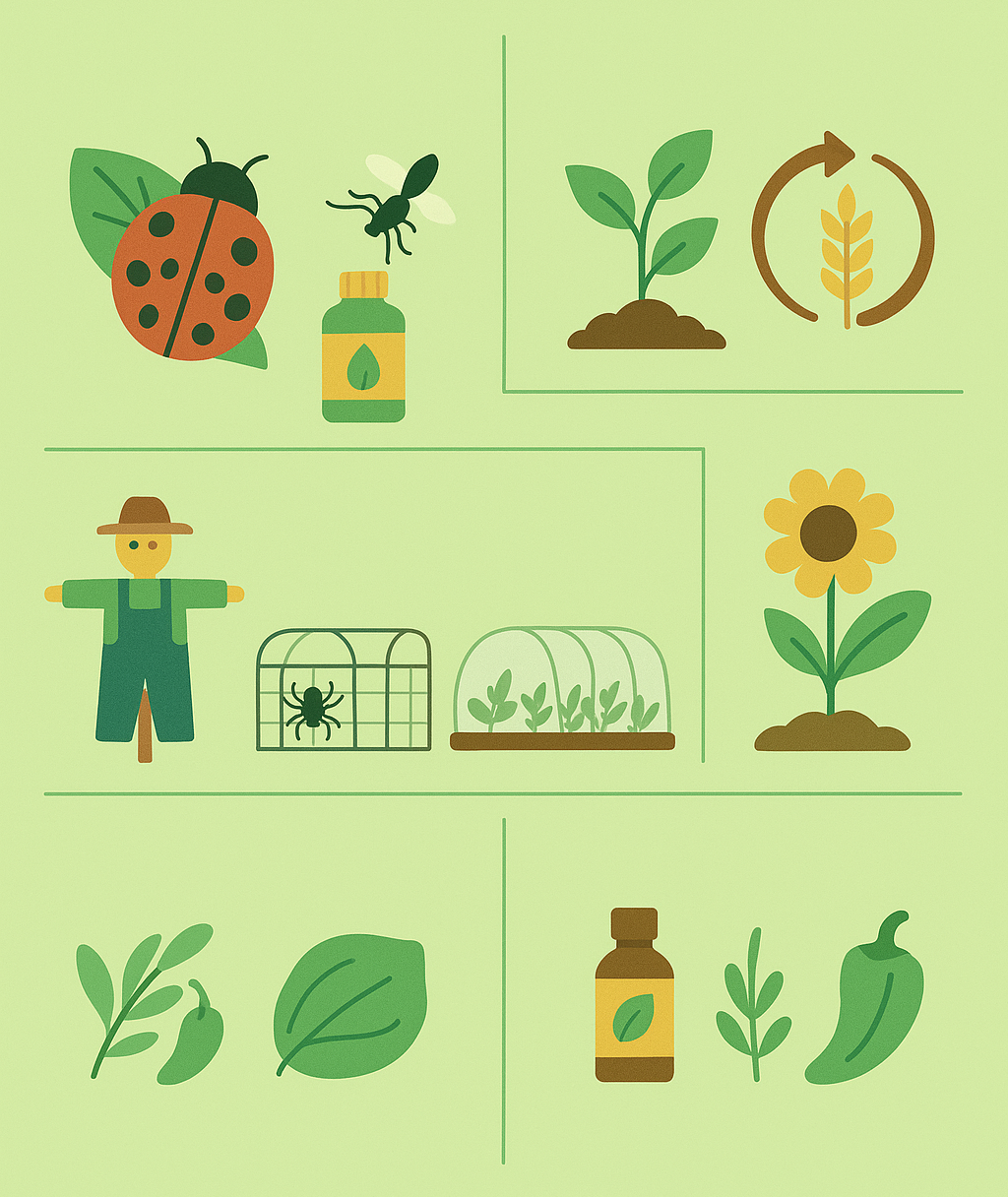
1. Biological Control – Nature’s Own Pest Management
Biological control uses predators, parasitoids, and microbes to naturally suppress pests.
Examples:
Ladybugs & Lacewings – devour aphids and other soft-bodied pests.
Trichogramma wasps – lay eggs inside pest eggs, destroying them from within.
Bacillus thuringiensis (Bt) – a bacterium lethal to certain larvae but safe for humans and pollinators.
Benefits:
Reduces chemical dependency.
Boosts biodiversity.
Fits organic farming and IPM standards.
2025 Innovations: AI-based insect monitoring, precision predator release systems, and habitat mapping through satellite data.
2. Cultural Practices – Farming Smarter to Beat Pests
These strategies modify farm operations to break pest life cycles without chemicals.
Key Practices:
Crop Rotation – prevents pest buildup in monocultures.
Intercropping – confuses pests and attracts beneficial insects.
Resistant Varieties – reduce pest vulnerability.
Sanitation & Timing – removing infested debris, adjusting planting/harvest dates.
Tillage – exposes pests to predators and harsh conditions.
Benefits:
Low cost and eco-friendly.
Improves soil health.
Reduces pesticide needs.
3. Mechanical & Physical Control – Direct, Chemical-Free Protection
These methods block, trap, or remove pests without synthetic chemicals.
Techniques:
Manual Removal – handpicking pests.
Traps – sticky, light, and pheromone traps for monitoring and control.
Barriers – fine-mesh nets, row covers, and screen houses.
Soil Solarization – using sunlight to kill pests in soil.
Robotic Removal – automated systems for large farms.
Benefits:
Leaves no toxic residues.
Delays resistance development.
Works well for organic systems.
4. Botanical Pesticides – Plant-Derived Defenses
Botanical pesticides are natural plant extracts with pest-fighting properties.
Popular Examples:
Neem Oil – disrupts pest growth and reproduction.
Pyrethrum – fast-acting insecticide from chrysanthemum flowers.
Garlic & Pepper Sprays – natural repellents.
Essential Oils – control mites and fungal diseases.
Advantages:
Low toxicity to humans and beneficial insects.
Biodegradable with no harmful residues.
Suitable for organic certification.
2025 Update: Drone-assisted spraying and improved formulations increase efficiency.
5. Modern Sustainable Pest Control Technologies
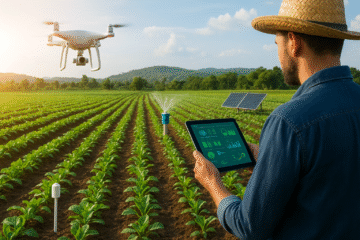
Technology in 2025 makes natural pest control smarter, faster, and more precise.
Key Tools:
Drones & Satellites – detect early pest outbreaks.
AI Analytics – predicts infestations and suggests optimal actions.
RNA Interference (RNAi) – species-specific pest suppression without harming non-target organisms.
Biodiversity Strips – flower zones that attract natural predators.
Digital Farm Platforms – integrate pest monitoring, traceability, and compliance tracking.
Comparative Table – Effectiveness, Costs & Impact
| Method | How It Works | Effectiveness (%) | Environmental Impact | Cost ($/ha) | Ease |
|---|---|---|---|---|---|
| Biological Control | Predators, parasitoids, microbes | 70–95 | Low | 60–150 | Moderate |
| Cultural Practices | Crop rotation, intercropping, timing | 40–80 | Low | 10–50 | Easy |
| Mechanical & Physical | Traps, barriers, manual removal | 55–85 | Low | 30–120 | Easy–Moderate |
| Botanical Pesticides | Plant extracts | 60–90 | Low | 40–100 | Easy |
| Modern Tech | AI, drones, RNAi | 75–98 | Low | 80–300 | Moderate–Challenging |
How Farmonaut Supports Sustainable Pest Management
Farmonaut provides tools to make natural pest control more effective:
Satellite Monitoring – detect crop stress and pest hotspots.
AI Pest Advisory – real-time recommendations for interventions.
Blockchain Traceability – prove chemical-free production.
Fleet Management – optimize robotic and drone use.
Environmental Footprinting – track carbon and biodiversity benefits.
FAQ
Q: Are natural pest control methods as effective as chemicals?
A: Yes—modern approaches reach 70–98% effectiveness while cutting chemical use by up to 80%.
Q: Are they safe for people and the environment?
A: Absolutely. They protect beneficial insects, water, and soil.
Conclusion – The Road Ahead
In 2025, natural pest control is no longer an alternative—it’s a necessity. By combining traditional ecological methods with cutting-edge technology, agriculture can:
Reduce chemical dependency.
Protect biodiversity.
Improve yields and quality.
Build consumer trust through sustainability.
With informed strategies and platforms like Farmonaut, farmers can lead the way to a resilient, eco-friendly, and profitable agricultural future.